
A project-management perspective on structuring, infrastructure resilience, and cross-border governance for mining assets in the Democratic Republic of Congo.
Navigating Operational Realities in Central Africa
The Democratic Republic of Congo holds an indispensable position in the global supply chain for transition metals. High-grade deposits of cobalt, copper, lithium, and tantalum present compelling opportunities for resource developers and industrial sponsors. However, converting mineral potential into an operating asset requires far more than resource confirmation. It demands deliberate project structuring, disciplined risk controls, and robust execution capabilities tailored to complex environments.
Mining developments in the region face distinct operational challenges. Supply lines stretch across multiple borders. Infrastructure capacity varies significantly across provinces. Capital deployment must be integrated with strict milestone management to maintain financial integrity and operational momentum.
Establishing Phase-Gate Control and Governance
A well-structured mining project creates an unbroken link between strategic intent and field execution. Multi-jurisdictional joint ventures and institutional investors require absolute visibility over capital utilization. Establishing an independent Project Management Office (PMO) creates a single, objective baseline for schedule, budget, and quality management.
Phase-gate governance is critical during the pre-feasibility and bankable feasibility stages. Capital commitment must be tied strictly to verified engineering milestones rather than arbitrary calendar schedules. Early project phases must define detailed risk registers that address long-lead equipment procurement, port clearings, and regional corridor throughput capabilities.
Interface management between international engineering firms and site execution teams prevents costly scope growth. Clear operational controls ensure that design modifications are evaluated for cost, schedule, and operational impact before implementation on-site.
Infrastructure Resilience and Logistics Strategy
Infrastructure limitations are often the primary constraint on mine development timelines. Power continuity remains a critical consideration. Facilities frequently require hybrid power architectures, combining grid allocations with dedicated self-generation or renewable assets. Integrating energy logistics into the core design phase avoids operational downtime during commissioning.
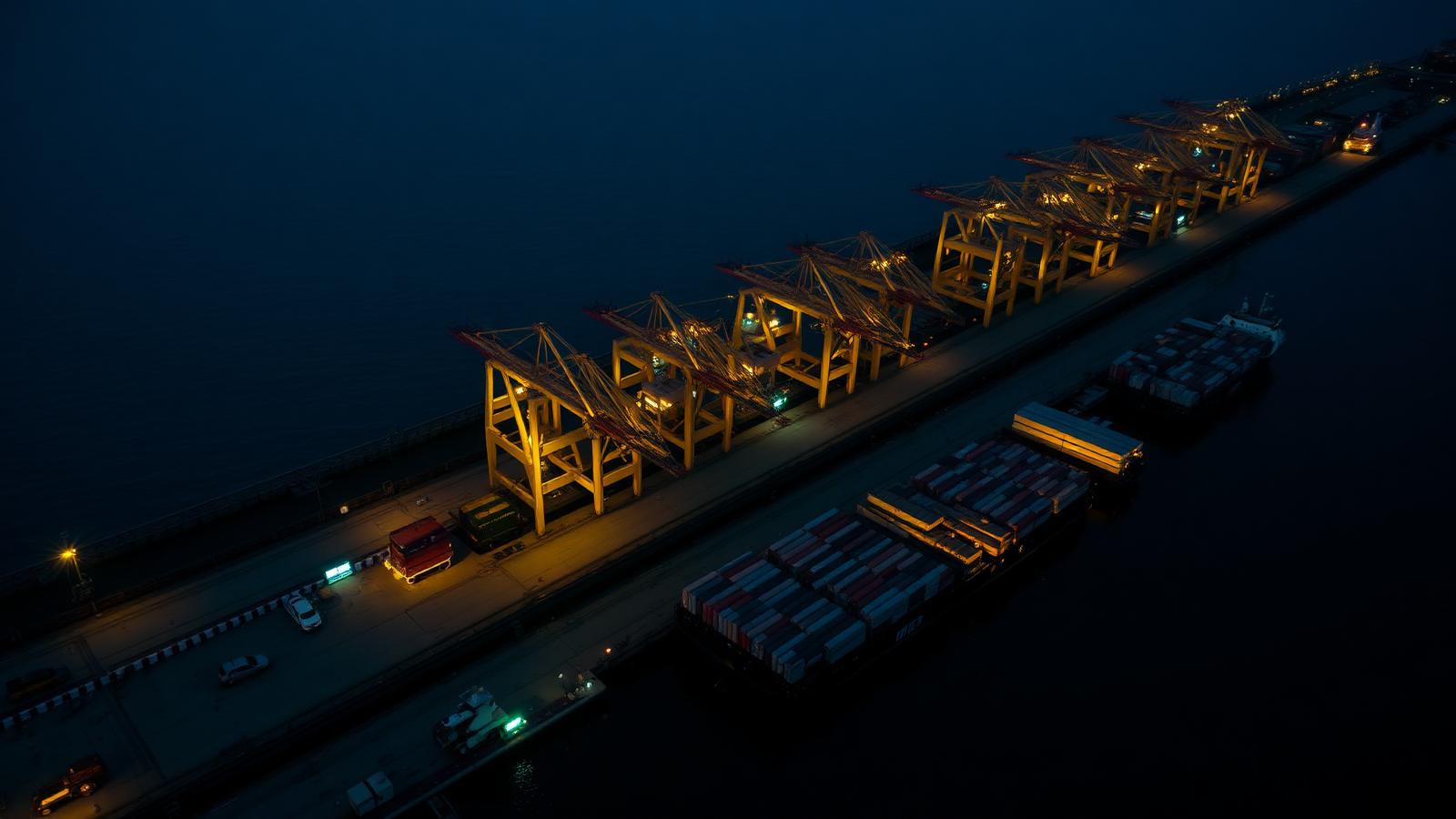
Logistics planning requires a multi-corridor execution model. Mining assets in the southern and eastern regions rely on complex transport networks through neighboring transit countries to reach deep-water ports. Dependencies on single transport routes introduce operational risk.
Project management teams must establish redundant routing strategies, strategic buffer stock management, and dedicated freight staging areas. Early engagement with logistics operators ensures clear alignment on heavy-haul route conditions, axle-load regulations, and border crossing protocols.
Local Capability and Community Interface
Long-term asset stability depends on structured community engagement and local economic participation. Operational models should embed structured programs for domestic capacity building, local procurement, and skills transfer into the main contractor specifications.
Building local supply chain capacity strengthens project resilience and mitigates operational risk. PMO teams should design accessible tender processes that enable local service providers to participate alongside international contractors while adhering to global standards for health, safety, environment, and quality (HSEQ).
A structured approach to local workforce development reduces reliance on expatriate labor over time, establishing an efficient, sustainable operating cost structure.
The Role of Cross-Border Project Controls
Managing complex projects in sub-Saharan Africa benefits from a dual-presence operational model. Dubai serves as a strategic cross-border management hub, providing proximity to global financial centers, engineering headquarters, and equipment suppliers.
From the GCC, project sponsors can maintain centralized procurement control, commercial oversight, and corporate governance. Simultaneously, dedicated site management teams execute field operations, ensuring real-time reporting back to senior leadership.
This structured hub-and-spoke delivery framework minimizes operational friction, maintains clear lines of accountability, and ensures that institutional standards are applied across every phase of the project lifecycle.
Delivering Execution Certainty
Successfully executing mining projects in high-growth, complex markets requires structured methodologies, rigorous baseline controls, and proven project leadership. Horizon Structura provides institutional sponsors and project owners with executive management controls and advisory structures to bring assets from concept to production.
To discuss your project requirements, contact our Dubai office to schedule an introductory call with a partner.
This note reflects project-management perspective only. It is not legal, tax, financial or regulatory advice, and it does not create an advisory relationship.